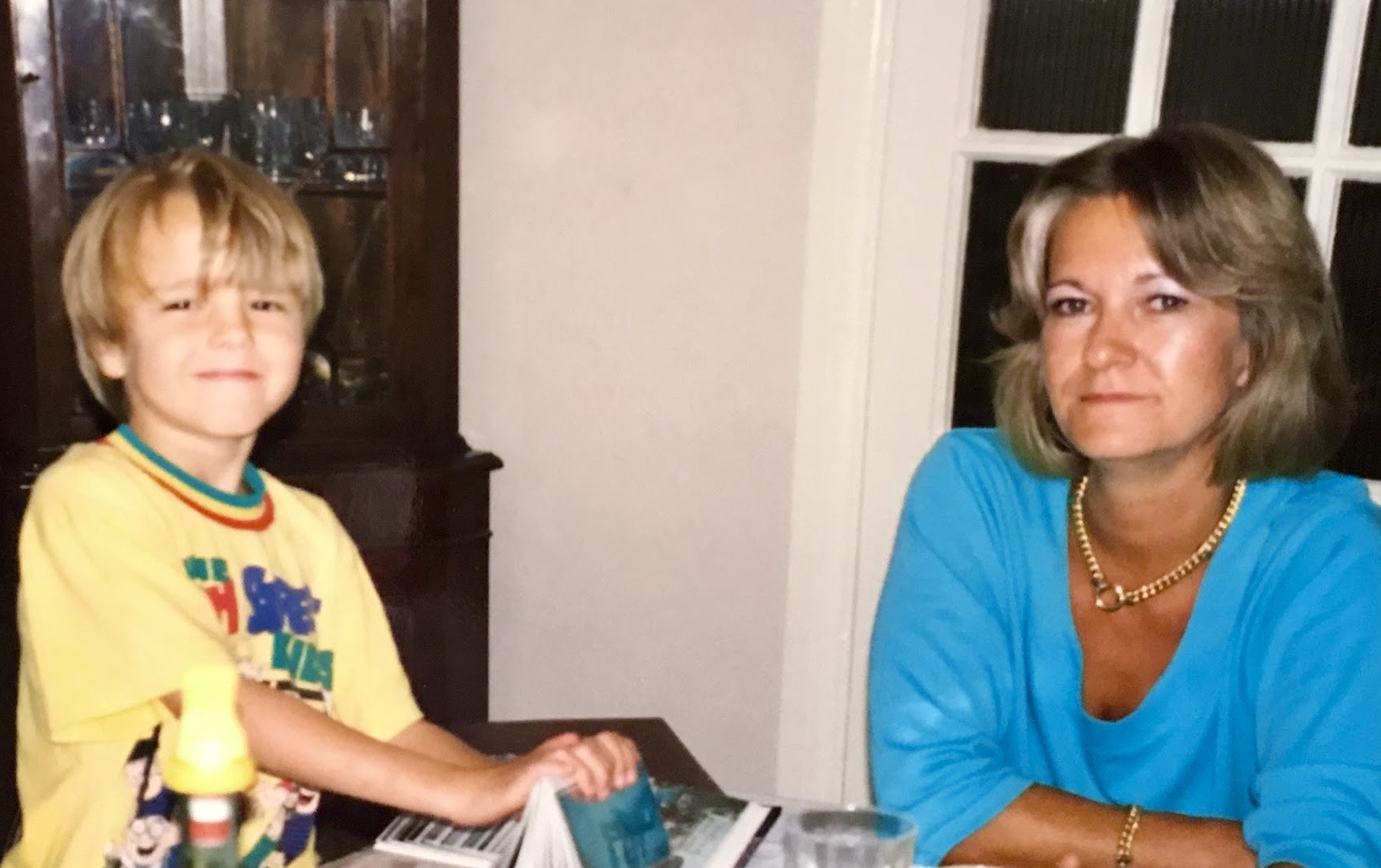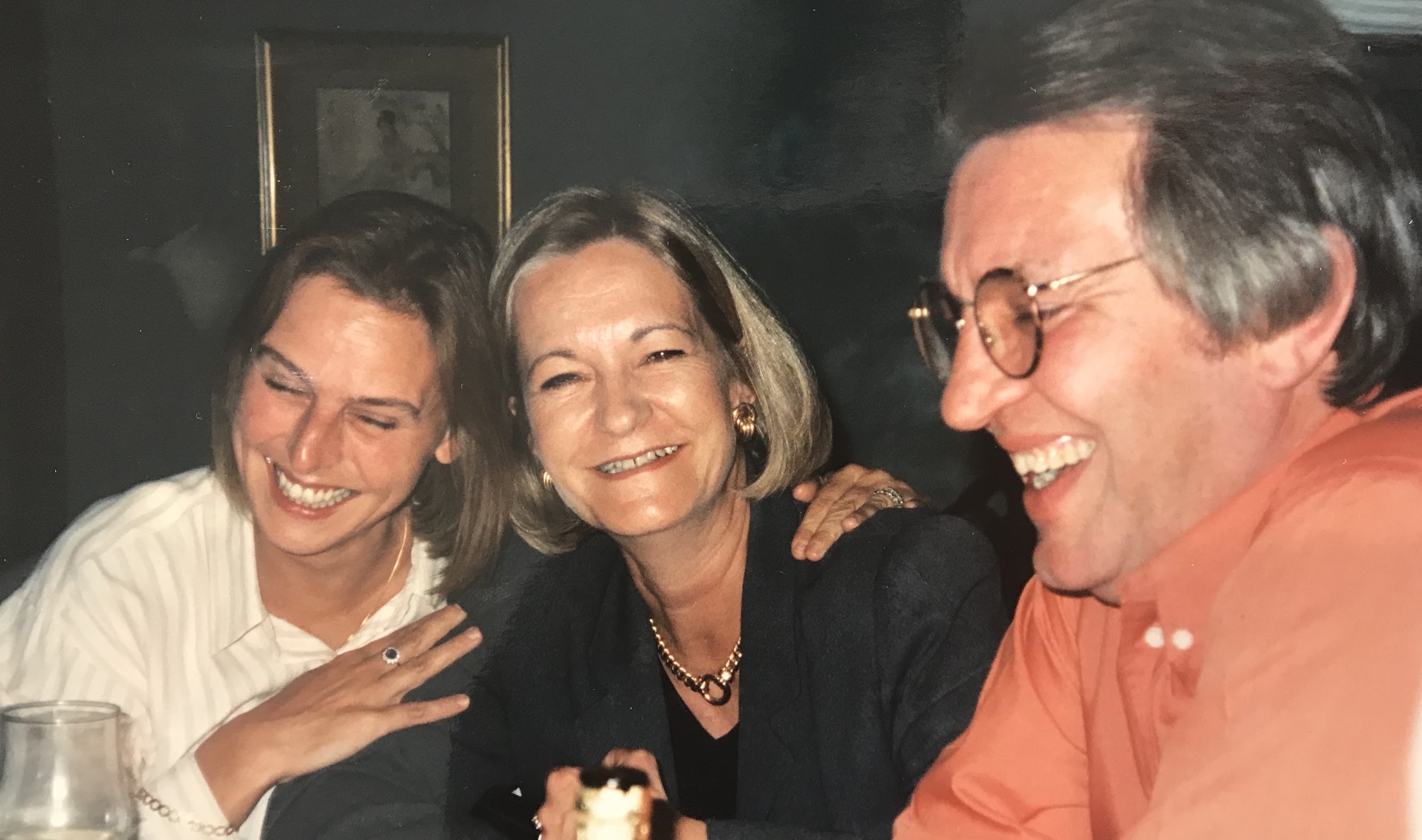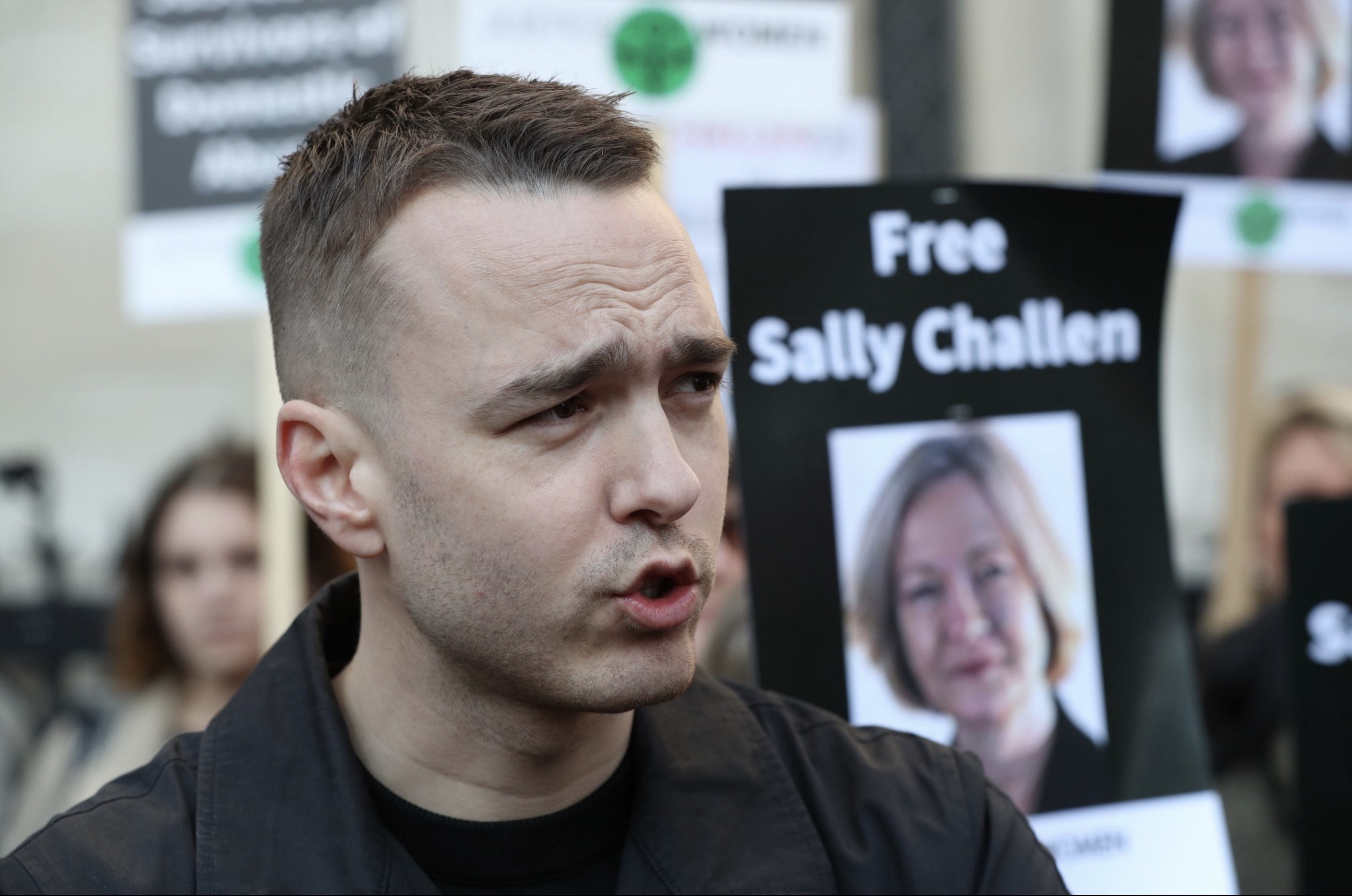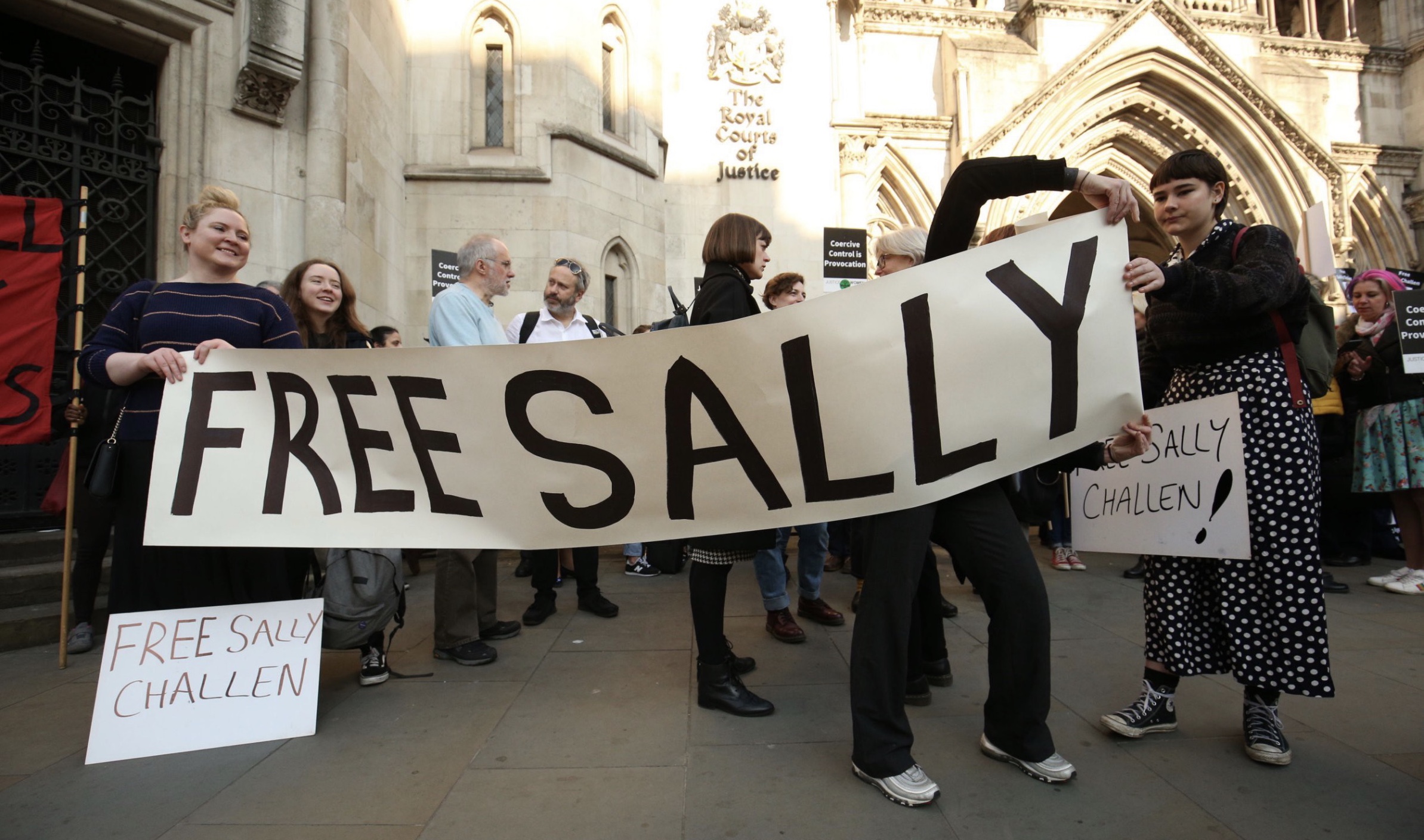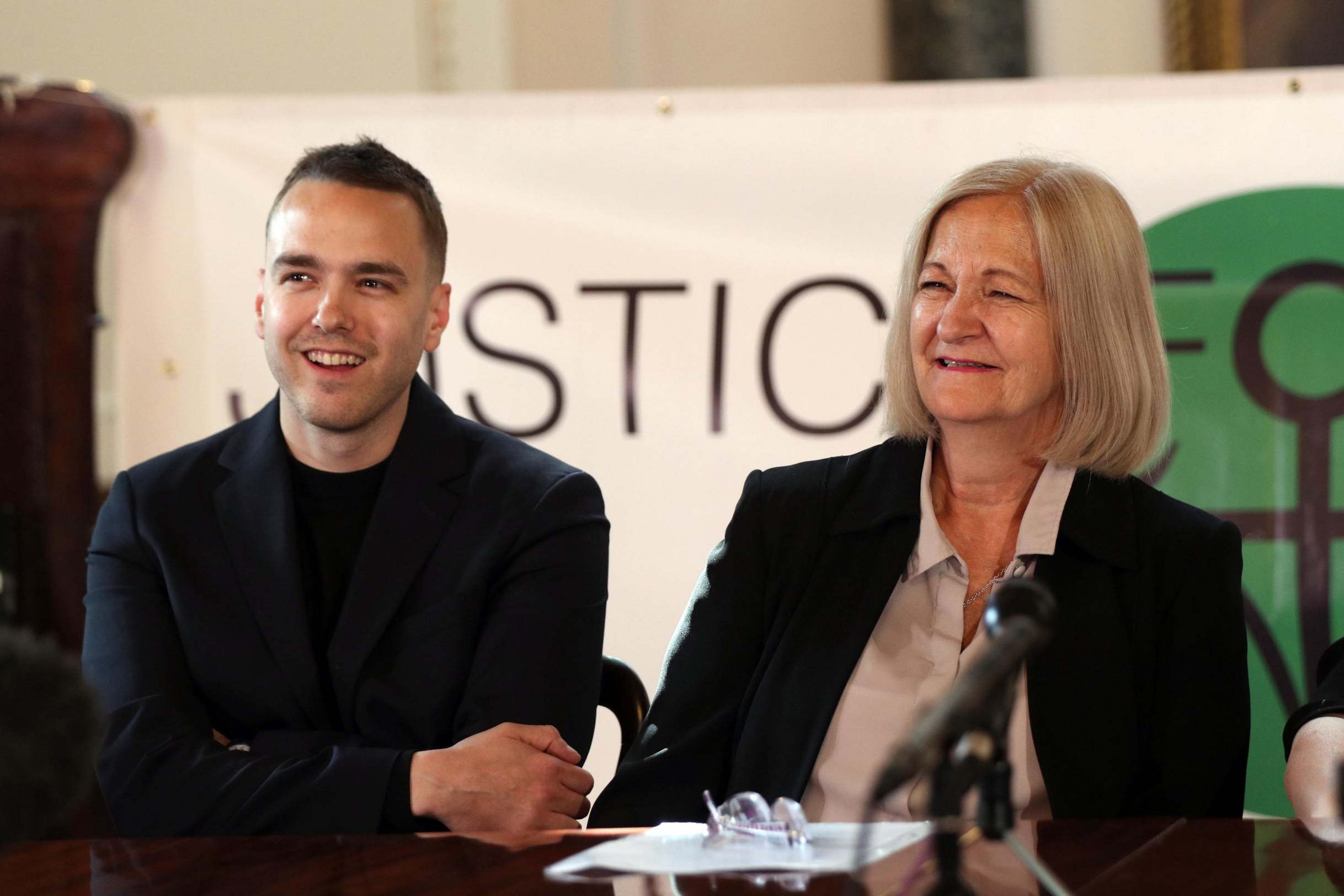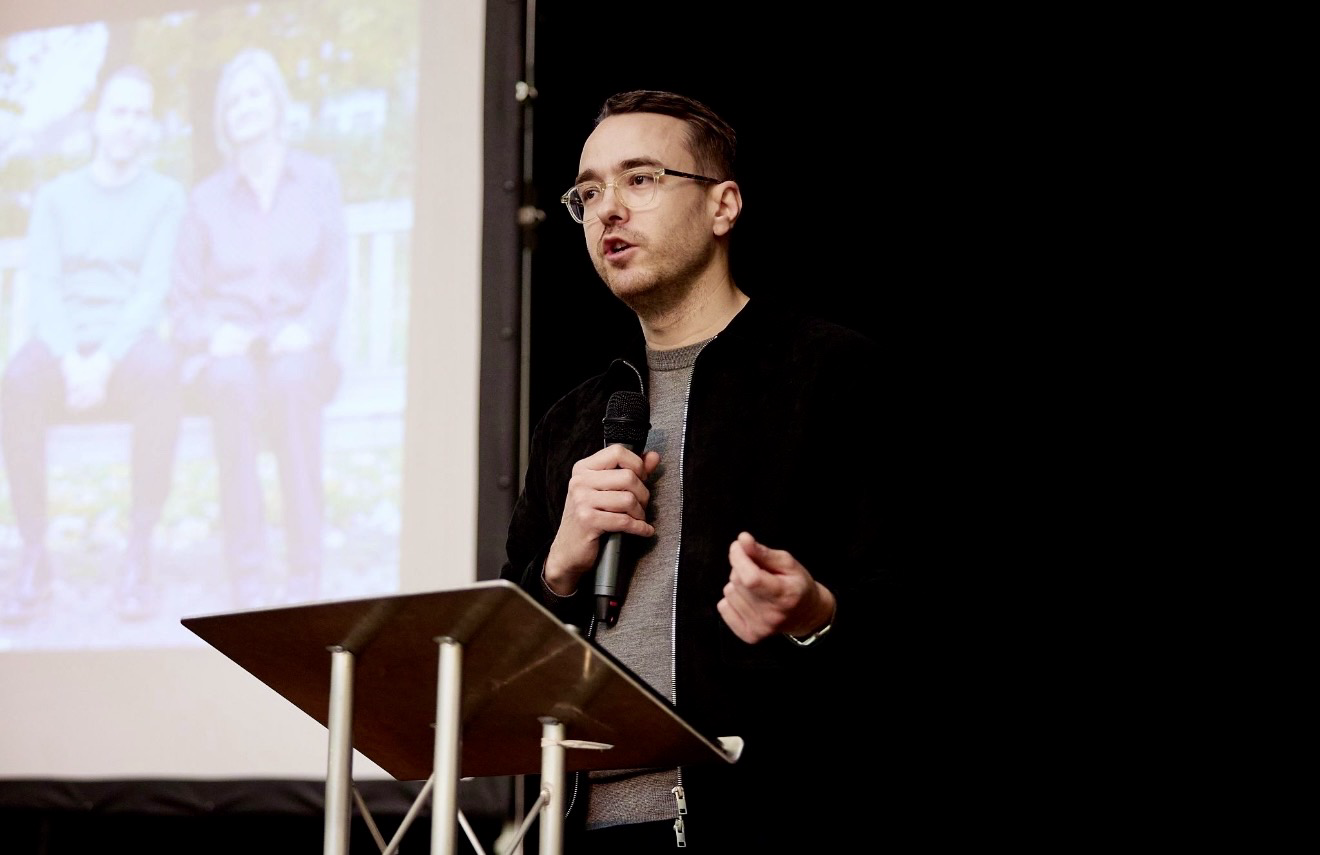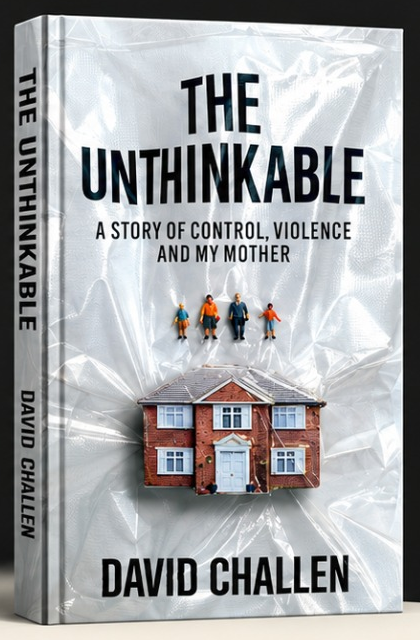
This BBC film follows our family through the appeal and into the history the first trial failed to see. It places the public campaign inside the private experience of being a son.
What the appeal changed
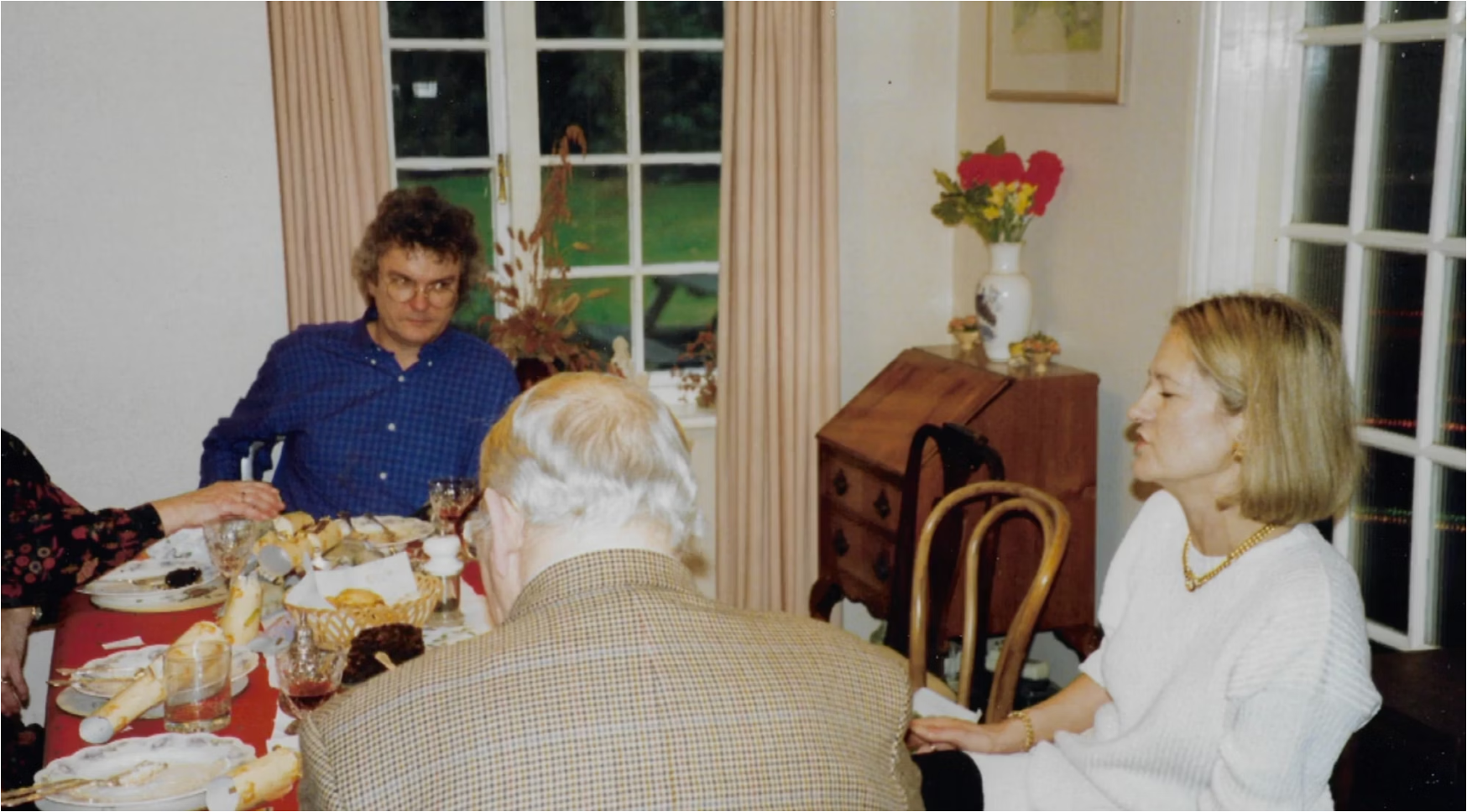
My mother was 15 when she met my father, who was 21. By the time of the killing, he had controlled her for more than four decades. Yet at her 2011 trial, the case looked largely at only the final six years of their marriage. Her state of mind was explained primarily through depression, while the much longer pattern of isolation, humiliation, sexual violence and control remained without its proper context.
The appeal did not excuse the killing. It made visible what the first trial had failed to examine. Fresh psychiatric evidence, understood against a lifetime of coercive control, undermined the safety of the murder conviction. To understand the final act, the court had to look again at the life that came before it.
Read David’s account in The Guardian